
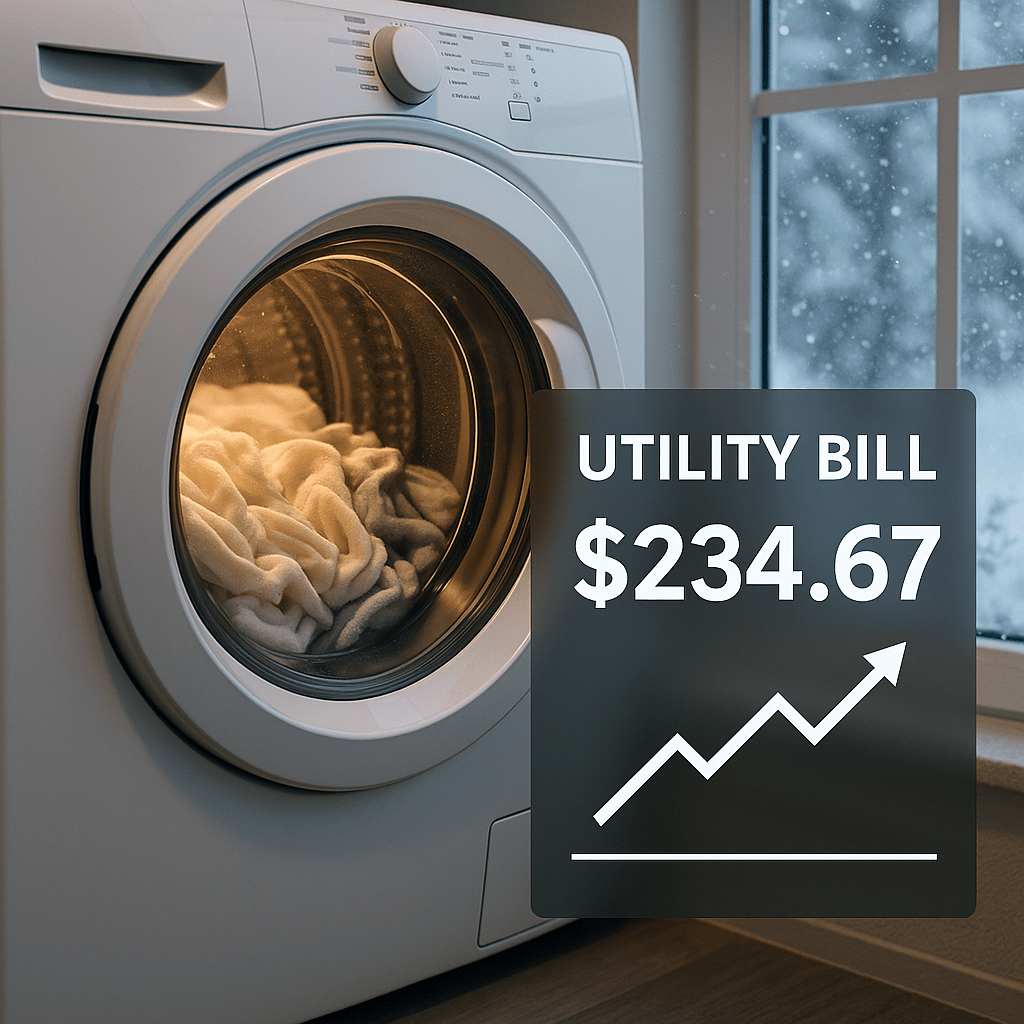
Clogged Vents Are Adding $300 to Your Winter Utility Bill
If your dryer is running longer than a winter storm, it’s not a sign of poor laundry skills—it’s a major red flag that your dryer vent is clogged.
This isn’t just an inconvenience; it’s a hidden, costly problem that hits your wallet hardest right after the holidays.
For high-volume laundry users across Colorado—from homeowners with mountain gear to the managers of hotels, resorts, and laundromats—a simple lint blockage is preventing your dryer from expelling moisture quickly.
This forces the machine to run two to three times longer than necessary.
The result? A severe utility bill spike and severe, premature wear on your expensive appliances.
As the Colorado experts in dryer vent cleaning service, Dryer Vent Techs breaks down exactly how a clogged dryer vent becomes a massive financial drain, and how our premium cleaning can save you hundreds.
The Efficiency Loss: The $300 Utility Drain
You might suspect your dryer running too long is wasting energy, but the true cost is often shocking. Industry data confirms that a severely clogged dryer vent can increase annual household utility costs by up to $300!
The Simple Science of Energy Waste
Your dryer’s job is not to heat clothes; it’s to expel moisture. When your vent is clean, the humid air is rapidly pushed outside, and the clothes dry quickly. When your dryer vent is clogged:
- Trapped Moisture: The moist air gets trapped in the dryer drum.
- Extended Heating: The dryer keeps heating, trying desperately to evaporate the now-trapped moisture.
- Wasted Heat: The machine is forced to run 2 to 3 times longer, constantly burning electricity or gas.
This directly results in a dramatic dryer utility cost increase.
For apartment complexes, hotels, or laundromats, where machines run 10–20 hours a day, this energy loss is multiplied exponentially, cutting deeply into your operational budget.
If your dryer not drying clothes in one cycle, it’s not just annoying; it’s expensive.
The Bulky Laundry Factor: When Inefficiency Hits Hardest
The winter months are the worst time for a dryer taking too long to dry because the laundry itself is denser and heavier.
- Weight & Density: Heavy ski gear, thick sweaters, massive blankets, and fleece demand peak performance from your dryer.
- Peak Demand: These items naturally hold more water, meaning the machine needs maximum airflow to dry them quickly and completely.
- Instant Notice: A minor inefficiency that was barely noticeable with summer t-shirts becomes an instant crisis when faced with a duvet cover. You immediately notice clogged dryer vent symptoms like damp spots or the need to run a second cycle—confirming your dryer not heating properly because the airflow is restricted.
For homeowners, wasting time re-drying a damp blanket is frustrating.
For resorts and hotels, a dryer not drying clothes (like towels or linens) means laundry pile-ups, staff overtime, and potential shortages of necessary inventory.
This makes maximizing dryer vent efficiency a critical operational necessity.
The Commercial Drain: Lost Revenue and Appliance Wear
The “Efficiency Loss” is catastrophic in any commercial dryer vent cleaning setting—from hair salons with constant towel washing to multi-story apartment buildings.
Dollars and Downtime
In a laundromat, longer drying times translate directly to lost revenue. If machines are tied up for 90 minutes instead of 45, you lose half your potential earning capacity during peak hours.
This constant, high-stress cycle also significantly accelerates appliance wear:
- Motor Strain: The motor works harder and longer.
- Heating Element Failure: The element overheats in a confined, moist space.
The cost to replace a commercial dryer vent cleaning component due to premature failure far outweighs the cost of a routine service. If your staff reports your dryer running too long, it’s a direct signal of impending mechanical failure.
Primary Questions: Decoding Your Dryer’s Distress Signals
We understand that a clogged dryer vent can be confusing. Here are answers to the most frequent questions we receive in Colorado:
Can a clogged dryer vent cause clothes not to dry?
Absolutely. A clogged dryer vent prevents humid air from escaping.
Since the air in the drum remains saturated with moisture, the evaporation process slows to a near halt, meaning the dryer not drying clothes completely, regardless of how much heat you apply.
How to tell if your dryer vent is clogged?
The clearest clogged dryer vent symptoms are:
- Clothes are still damp or very hot after a full cycle.
- The dryer cabinet or the laundry room feels excessively hot.
- The exterior vent hood does not expel air strongly, or it’s pushing lint out visibly.
How to check if your dryer vent is clogged?
While a professional inspection is required for a definitive check, you can do a simple check: run the dryer on a heat setting and go outside. If you feel very little air blowing out of the vent cap, your dryer vent is clogged. Ensure it isn’t frozen shut.
How does a clogged dryer vent increase your utility bill in winter?
A blocked vent forces the dryer to run 2 to 3 times longer to complete the job.

This extended run time directly translates to excessive dryer energy consumption, leading to a noticeable dryer utility cost increase on your monthly bill.
Why does a dryer run 2 to 3 times longer when the vent is blocked?
Because the dryer not heating properly is not the issue—the lack of airflow is. The machine must run repeatedly to boil off the trapped moisture. Until the vent is clear, the cycle length will remain dramatically extended.
The Efficiency Audit: Your Key to Maximum Utility Savings
At Dryer Vent Techs, we don’t just clear the immediate blockage; we restore your dryer vent efficiency to factory standards. We specialize in complex, long-run systems common in apartments, condos, hotels, and resorts.
Our Efficiency Audit & Premium Cleaning service includes:
- Airflow Diagnosis: We use specialized tools to measure your airflow before and after the cleaning.
- Complete Lint Removal: We thoroughly clear the entire vent line, guaranteeing the elimination of the “fire log” and all dense blockages.
- Appliance Check: We ensure your dryer is functioning optimally, dramatically reducing your dryer energy consumption immediately.
By choosing Dryer Vent Techs, you are choosing guaranteed reduced drying times and maximum utility savings. This investment pays for itself quickly through lower bills and longer-lasting appliances.
Don’t Let Damp Laundry Drain Your Wallet
The cost of ignoring a clogged vent is high—in wasted time, premature appliance wear, and that painful dryer utility cost increase on your winter bill.
Whether you run a single residential dryer or a bank of commercial machines, restoring dryer vent efficiency is the most cost-effective maintenance task you can perform this season.
Stop wasting time and money on endlessly damp loads. Take control of your utility costs today.
Call Dryer Vent Techs at (720) 257-8155 to schedule your Efficiency Audit and start saving!


