It is mid-summer in Colorado, and the sun is beating down relentlessly across the Front Range. Your central air conditioner is already working overtime just to keep your living room comfortable.
Yet, if you walk past your laundry room, you might notice a sudden wall of heat. Most people blame the summer weather, but your clothes dryer might actually be the main culprit.
The Hidden Heat Trap Inside Your Walls
When your laundry setup is working properly, it pushes hot, humid air straight outside your house. A healthy system exhausts nearly 200 cubic feet of air every single minute.
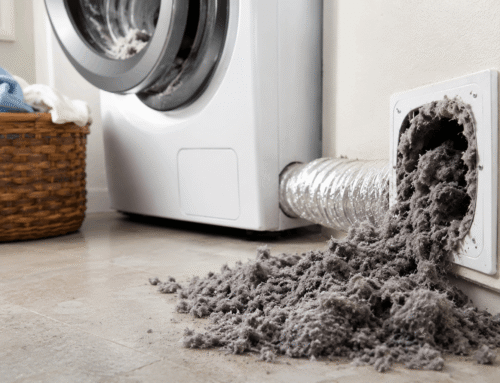
When lint builds up inside the pipe, that superheated air gets trapped with nowhere to go. Instead of escaping, it turns your exhaust duct into an internal space heater.
If you have been searching for how to lower cooling bills in summer, looking at your laundry setup is a great start. Booking a professional dryer vent cleaning service removes that hidden heat source completely.
Key Takeaway: A restricted exhaust pipe forces hot air to radiate through your drywall, raising room temperatures and making your air conditioner run constantly.
How a Clogged Line Forces Your AC to Overwork
Your home’s air conditioner is designed to fight the outdoor heat coming through windows and doors. It is not built to combat a 150°F heat source running right inside your hallway.
When your dryer vent is choked with lint, the appliance cabinet gets scorching hot. That heat spills directly into your living spaces hour after hour.
This internal heat load forces your air conditioner compressor to run much longer cycles. You end up paying for extra electricity twice: once for the dryer, and again for the cooling system.
Why Modern Colorado Homes Feel the Heat More
Newer homes in Denver and Littleton are sealed tightly to conserve energy. While that envelope keeps cold winter drafts out, it also traps unwanted heat indoors during summer months.
When a dryer running hot radiates heat into a sealed floorplan, the room temperature spikes quickly. That extra heat stays trapped in your drywall and insulation long after the laundry cycle ends.
This forces your thermostat to call for continuous cooling during peak afternoon rates. It is an easy way to burn through your summer budget without realizing it.
Residential vs. Commercial Laundry Heat Traps
The impact on your energy bills usually depends on how many loads you run each week. Different properties face unique challenges when exhaust paths get restricted.
Busy Colorado Households
Large families running multiple loads a day create a non-stop thermal burden inside the house. Running three loads back-to-back can keep an internal heat source blazing for six straight hours.
That steady stream of hot air raises adjacent room temperatures by several degrees. Family members then lower the thermostat even further, driving utility costs through the roof.
Commercial Operations
For businesses using a commercial dryer vent cleaning service, the financial stakes are even higher. Commercial facilities process endless stacks of towels and linens daily.
- Hair Salons & Spas: Continuous drying generates intense thermal output in tight utility rooms.
- Pet Groomers: Dense animal dander coats pipe walls quickly, trapping extreme heat inside the building.
- Hotels & Resorts: Industrial equipment on blocked lines forces commercial chillers into non-stop high gear.
The Danger of Venting Your Dryer Indoors
Some homeowners try DIY tricks to save money, like using indoor venting kits during summer. This is one of the most expensive mistakes you can make for your home’s efficiency.
Indoor venting kits dump gallons of moisture and 150°F steam straight into your living space. This causes indoor humidity to skyrocket in minutes.
Your air conditioner is then forced to work twice as hard. It must completely remove that heavy moisture load from the air before it can begin dropping the room temperature.
Extreme Humidity Speeds Up AC Fatigue
Every load of wet laundry contains about a gallon of water. Venting indoors dumps all that moisture directly into your living areas as steam.
Your air conditioner must pull that heavy moisture out of the air before it can drop the temperature. This doubles the workload on your cooling system and skyrockets your monthly bill.
Health Risks and Building Codes
Dumping hot exhaust indoors also breeds mold spores and fills your air with micro-lint. Building codes strictly forbid indoor venting for safety and air quality reasons.
Troubleshooting: Who Cleans and Fixes Dryer Vents?
When your laundry area feels like a sauna, you need to know who cleans dryer vents and who can handle structural repairs. Different problems require different technical tools.
DIY Checks You Can Do Today
Start by checking the outdoor hood while the machine is running to see if air is blowing out strong. Make sure the exterior louvers open wide and are not stuck shut with lint.
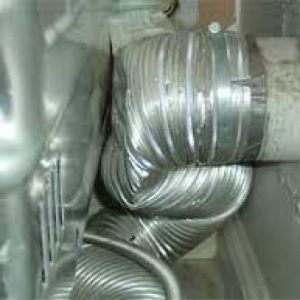
Also, slide the machine out to make sure the flexible transition hose is not crushed behind the unit. If the hose is crushed, air cannot move freely.
Knowing When to Call a Specialist
If the metal cabinet feels burning hot to the touch, simple vacuuming will not solve the issue. You need professional equipment designed to reach deep inside wall cavities.
- Appliance Techs vs. Vent Techs: An appliance repair person fixes broken belts and motors. However, if you need specialized dryer vent repair Denver services, you need an airflow specialist.
- Structural Repairs: If you are wondering who fixes dryer vent issues, specialized technicians repair disconnected wall pipes and replace crushed foil hoses.
- Duct Upgrades: Techs can replace dangerous plastic hoses with solid rigid metal pipe. They also install proper dryer vent insulation through cold crawlspaces to protect airflow year-round.
Simple Home Energy Efficiency Tips for Summer
Lowering your monthly utility bills does not require sacrificing comfort. Small changes in your routine can yield big savings over the summer months.
- Clean your lint filter screen after every single load without exception.
- Run your laundry during early morning or late evening hours to avoid peak heat.
- Schedule an annual professional inspection to keep your ductwork completely clear.
- Upgrade old flexible foil connectors to semi-rigid or solid metal pipe.
Combining these daily habits with clean exhaust lines provides immediate relief for your budget. You will notice faster drying times and a cooler home right away.
The Real Cost Breakdown: Clean Lines vs. High Utility Bills
Paying for routine maintenance might feel like an extra expense, but it actually saves you money. A clear exhaust system pays for itself faster than most home upgrades.
On average, a clogged vent stretches drying cycles to 60 or 90 minutes per load. A clean vent drops that cycle time back down to a fast 35 to 45 minutes.
Clogged vents also create massive heat buildup that forces your AC to fight internal hot spots. Clean vents eliminate that heat load completely, allowing your cooling system to run normal, energy-efficient cycles.
Frequently Asked Questions
Why is my laundry room so hot when the dryer is running?
A hot room means exhaust heat is leaking into your home instead of exiting outside. This is usually caused by a clogged duct, a crushed hose, or a loose pipe joint inside your wall.
Can a clean dryer vent really lower my summer energy bills?
Yes, absolutely. A clean pipe lets hot air escape instantly, cutting cycle times by up to 30 minutes and removing a major heat source that forces your AC to overwork.
How do I know if I need clothes dryer vent repair versus a basic cleaning?
If you see crushed foil hose behind the unit, water dripping from joints, or disconnected pipes in the wall, you need mechanical repair rather than a basic lint sweep.
Is venting a dryer indoors ever a good idea in the summer?
No, never. Venting indoors dumps heat and gallons of steam into your home, raising humidity and forcing your air conditioner to consume significantly more energy to cool the air.
Who cleans dryer vents—a maid service, HVAC tech, or specialist?
While some HVAC companies offer duct cleaning as an add-on, specialized vent technicians carry high-pressure air whips, diagnostic airflow meters, and scope cameras built specifically for dryer lines.
Who fixes dryer vent issues if the ductwork inside the wall is broken?
A specialized dryer vent technician handles both mechanical repairs and line clearing. They replace crushed transition hoses, reattach loose wall lines, and ensure everything meets local building codes.
How often should high-volume commercial facilities clean their dryer vents?
Commercial properties like hair salons, spas, pet groomers, and hotels should schedule professional service every 3 to 6 months due to heavy daily usage and rapid lint buildup.
Why is my dryer running hot to the touch on the outside?
When lint blocks the airflow path, intense heat builds up inside the metal housing instead of escaping. This makes the cabinet hot to the touch and can blow internal safety fuses.
Keep Your Home Cool and Your Bills Low
Do not let a restricted vent outsmart your air conditioner this summer. A clear exhaust path keeps hot air moving outside where it belongs, protecting your wallet and keeping your living room comfortable.
At Dryer Vent Techs, we specialize in deep line cleaning, airflow diagnostics, and full ductwork repairs for homes and commercial properties throughout the Denver Metro area.
Ready to Lower Your Summer Cooling Costs?
Stop forcing your air conditioner to work twice as hard every time you do laundry. Let our local specialists inspect and optimize your exhaust system today.
Call Dryer Vent Techs at (720) 257-8155 to book your complete vent inspection and cleaning. Proudly serving Denver, Littleton, Highlands Ranch, Aurora, Lakewood, and surrounding communities.