Most homeowners think of dryer vent cleaning as a way to prevent fires or improve dryer performance. While those benefits matter, there is another problem many Denver homeowners overlook: poor indoor air quality.
If you notice excessive dust in house areas, allergy flare-ups, or dust in house after laundry days, your dryer vent could be part of the problem. A clogged dryer vent can push lint, pet dander, dust mites, and other indoor pollutants back into your home every time the dryer runs.
For many Colorado families, especially those already dealing with allergies or asthma, dryer vent allergies are becoming a growing concern.
Why Dryer Vents Affect Indoor Air Quality
Your dryer creates hot airflow during every drying cycle. That airflow is supposed to carry moisture, lint, and tiny particles outside through the vent line.
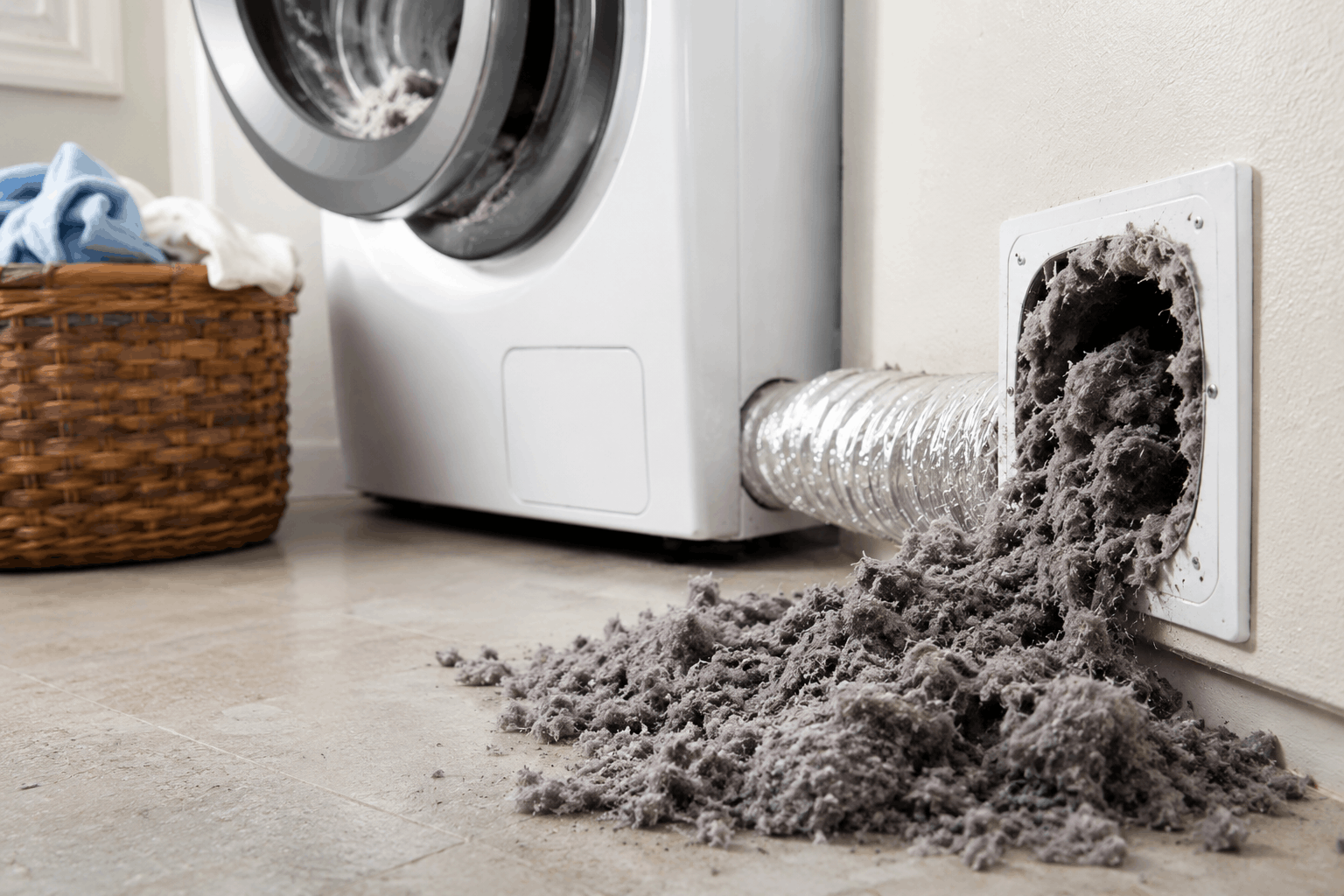
When the vent becomes blocked with dust buildup and lint, the air cannot escape properly. Pressure builds inside the machine and forces microscopic debris back into the laundry room and nearby living spaces.
Instead of leaving your home, tiny particles begin circulating through the air.
This can include:
- Fabric fibers
- Pet dander
- Dust mites
- Laundry detergent residue
- Indoor pollutants
- Pets hair
- Excessive dust
Over time, this buildup can reduce indoor air quality and create a constant layer of dust throughout the home.
Why You See Dust in House After Laundry
Many homeowners clean constantly but still notice a dusty film returning within days.
If you have dust in house after laundry loads, your dryer may be releasing particles into the air instead of exhausting them outside.
Common signs include:
- Dust collecting quickly on furniture
- More dust around ceiling fans
- Lint near the dryer
- A musty laundry room smell
- Increased allergy symptoms indoors
- Damp clothes after a full drying cycle
The lint trap only catches larger fibers. Smaller particles continue through the vent system. When the line is clogged, those particles often leak back into the home.
Signs Your Dryer Vent Is Affecting Air Quality
A clogged dryer vent usually gives warning signs before becoming a major problem.
Watch for these symptoms:
- Excessive dust in house environments
- Longer drying cycle times
- Damp clothes after drying
- Burning smells during laundry
- Hot laundry room temperatures
- Increased static electricity
- Allergy symptoms getting worse indoors
- Visible lint around the exterior vent
Many homeowners mistake these issues for HVAC problems when the real issue is restricted airflow inside the dryer vent.
Dryer Vent Allergies and Respiratory Issues
Dryer vent allergies are more common than many people realize.
When lint and contaminants circulate through the air, they can irritate sensitive respiratory systems. This is especially true for homes with children, pets, or family members with asthma.
Common irritants released from clogged vents include:
- Dust mites from bedding and linens
- Pet dander trapped in fabrics
- Fragrance chemicals from dryer sheets
- Tiny particles from clothing fibers
- Mold spores caused by trapped moisture
Poor indoor air quality can make symptoms worse over time, especially during Denver’s dry seasons when homes stay closed for long periods.
Why Denver Homes Have More Indoor Dust
Denver homes face unique indoor air quality challenges.
Colorado’s dry climate increases static electricity, which causes lint and dust buildup to stick inside vent lines faster than in humid regions. During winter and summer, homes also stay tightly sealed to control heating and cooling costs.
This traps indoor pollutants inside the home for longer periods.
Homes with pets, large families, or daily laundry use often experience even faster buildup inside dryer vents.
Whether you live in Littleton, Highlands Ranch, Aurora, Centennial, or Denver itself, a neglected vent system can quickly impact the air you breathe.
The Hidden Fire Hazard of a Clogged Dryer Vent
Indoor air quality is not the only concern.
Lint is highly flammable. A clogged dryer vent creates excessive heat buildup inside the appliance, turning the system into a major fire hazard.
According to fire safety experts, blocked dryer vents are one of the leading causes of laundry room fires in the United States.
Regular maintenance helps reduce these risks while also improving energy efficiency and airflow.
DIY Cleaning vs Professional Dryer Vent Cleaning
Many homeowners attempt to clean your dryer vent using store-bought brush kits. While basic maintenance helps, most DIY tools cannot fully remove deep lint buildup from long vent lines or roof exits.
Improper cleaning can also:
- Damage flexible ductwork
- Push lint deeper into the vent
- Release more dust into the home
- Miss hidden blockages
Professional dryer vent cleaning removes buildup safely using specialized equipment designed for full-system airflow restoration.
At Dryer Vent Techs, we use HEPA filtered containment systems that capture dust instead of spreading it through your home during cleaning.
Why Regular Cleanings Matter
Regular cleanings help protect both your appliance and your indoor air quality.
Benefits include:
- Reduced excessive dust indoors
- Cleaner laundry room air
- Lower allergy irritation
- Faster drying cycle times
- Reduced energy usage
- Lower fire hazard risk
- Better airflow performance
- Longer appliance lifespan
For most homes, annual dryer vent cleaning is recommended. Homes with pets, heavy laundry use, or allergy concerns may benefit from more frequent service.
Additional Ways to Improve Indoor Air Quality
Dryer vent cleaning works best when combined with other healthy home habits.
To further improve indoor air quality:
- Use microfiber cloths when dusting
- Replace HVAC filters regularly
- Vacuum with HEPA filtered systems
- Use an air purifier in high-use rooms
- Reduce indoor moisture levels
- Keep laundry room areas clean
- Schedule regular maintenance for appliances
These steps help reduce airborne particles and improve overall comfort inside the home.
Frequently Asked Questions
Can a clogged dryer vent affect indoor air quality?
Yes. A blocked vent can force lint, dust, pet dander, and other indoor pollutants back into your home instead of outside.
Why are my clothes still damp after a drying cycle?
Damp clothes are one of the most common signs of restricted airflow caused by lint buildup inside the dryer vent.
Can dryer vent problems trigger allergies?
Absolutely. Dryer vent allergies are often linked to airborne dust mites, pet dander, mold spores, and fabric particles circulating indoors.
How often should dryer vent cleaning be scheduled?
Most homes should schedule professional dryer vent cleaning once per year. Larger households or homes with pets may need more frequent cleanings.
Will an air purifier solve the dust problem?
An air purifier can help reduce airborne particles, but it will not fix the source of the issue if the dryer vent remains clogged.
Improve Your Home’s Air Quality Today
You should not have to deal with constant dust, allergy flare-ups, or poor indoor air quality inside your home.
If your laundry room feels dusty, your dryer runs longer than normal, or you notice excessive dust buildup after laundry days, it may be time for professional dryer vent cleaning.
Dryer Vent Techs provides expert dryer vent cleaning throughout the Denver metro area, helping homeowners improve airflow, reduce fire hazards, and create cleaner indoor air.
Call Dryer Vent Techs today at (720) 257-8155 to schedule your professional dryer vent inspection and cleaning service.