Why Your Dryer Vent May Be Filling Your Home With Dust
It is mid-winter in Colorado. Your windows stay sealed against the mountain cold. Your smart thermostat manages energy use efficiently. High-end 2026 HEPA air purifiers run in every room.
Yet the sneezing does not stop.
You dust your furniture on Tuesday. By Thursday, a fine gray film has returned. Your eyes itch. The air feels heavy and stale.
Most homeowners blame dry winter air or seasonal allergies. At Dryer Vent Techs, we see a different cause every day. In modern, tightly sealed homes, clogged dryer vents often become a hidden source of indoor pollution.
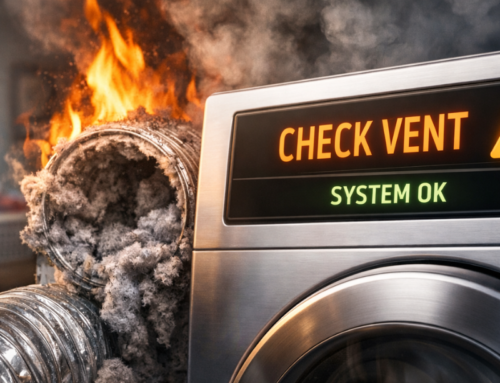
Instead of removing moisture and lint, the dryer pushes contaminated air back into the living space.
When this happens, your laundry room turns into a dust factory.
The 2026 Efficiency Paradox: Tighter Homes, Dirtier Air
Colorado building codes now emphasize airtight construction. Homes in Denver, Littleton, and surrounding areas are sealed to reduce energy costs and heat loss. This design improves efficiency, but it also limits natural air exchange.
In an airtight home, every cubic foot of air that exits must be replaced. A properly vented dryer helps maintain this balance. Clogged dryer vents disrupt it.
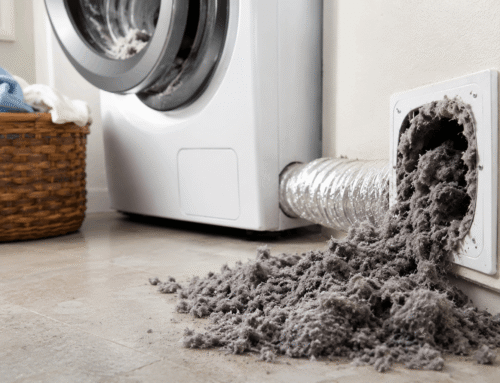
When lint buildup blocks the exhaust path, dryer vent backpressure forms. Instead of exhausting outdoors, polluted air escapes through door seals, internal seams, and the dryer cabinet.
In older homes, some of this air leaked outside through gaps. In modern homes, it remains trapped indoors.
As a result, dryer vent air quality problems are more common than ever. This also explains why healthy home inspections are now critical for energy-efficient properties.
Why Your Air Purifier Cannot Keep Up
Many homeowners invest in advanced air filtration systems. These systems help with ambient dust, but they do not solve the source of the problem.
A dryer with airflow restrictions releases a concentrated stream of microscopic particles. Air purifiers react after contamination occurs.
A clogged vent actively injects pollutants into the laundry room while the dryer runs.
These pollutants include:
- Micro-lint fibers that irritate the respiratory system and settle throughout the home
- Pet dander dryer vent accumulation from clothing, blankets, and grooming towels
- Chemical residue from detergent, dryer sheet coatings, and fabric softeners
- Mold spores that develop when moisture remains trapped inside clogged dryer vents
When this happens, air purifiers work like a bucket under a leak. They reduce symptoms but do not fix the cause.
Dryer Vent Backpressure and Health Risks
Most homeowners associate clogged dryer vents with house fires. Fire risk remains serious, but health risks deserve equal attention.
Dryer vent backpressure develops when lint and debris block the exhaust path. Air seeks the easiest escape route, which is often back into the home.
This creates a cycle where contaminated air repeatedly enters the breathing zone.
For Colorado residents already dealing with altitude and dry air, this exposure can worsen respiratory symptoms, including:
- Persistent coughing or winter congestion
- Increased asthma flare-ups and nighttime wheezing
- Dryer vent dust in house allergies that mimic pollen reactions
- Itchy or watery eyes despite sealed windows
Gas dryer systems add another layer of risk. When exhaust cannot escape, combustion byproducts remain indoors, creating dangerous conditions.
Commercial Spaces Face the Same Problem
Dryer vent air quality issues affect more than homes. Many commercial environments rely on high-volume laundry systems.
When vents are not regularly cleaned, employee health and liability risks increase.
Hair Salons and Barbershops
Fine hair particles bypass standard lint screens easily. These fibers form dense clogs that force chemical fumes back into work areas. Indoor air quality suffers year-round.
Hotels, Resorts, and Spas
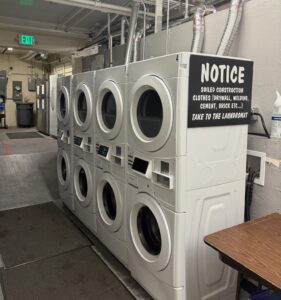
Industrial dryers operate constantly. A single restricted vent can expose staff to continuous lint and moisture, contributing to fatigue and respiratory discomfort.
Pet Grooming Facilities
Pet dander accumulates rapidly in dryer systems. Without proper ventilation, allergens recirculate, making it difficult for sensitive employees to work safely.
What Professional Dryer Vent Cleaning Involves
Basic DIY methods rarely resolve dryer vent dust in house issues. Professional dryer vent cleaning services address airflow, pressure, and internal contamination.
A full inspection includes:
- Static pressure testing to measure airflow resistance
- Internal cabinet cleaning to remove lint near motors and heating elements
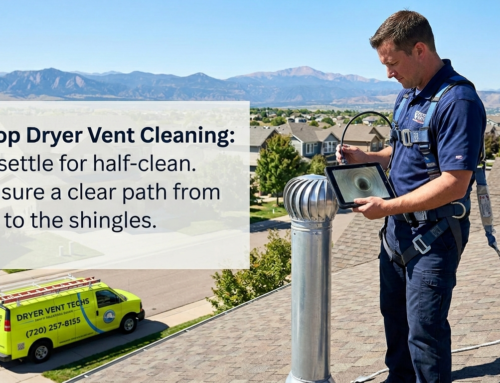
- Video inspection from the dryer connection to the exterior vent
- Airflow velocity testing to confirm manufacturer specifications
These steps deliver real dryer vent cleaning benefits and help extend the life of your dryer.
Warning Signs Your Dryer Vent Is Polluting Your Home
Common warning signs include:
- Excessive dust buildup near the laundry room
- Burning smells while the dryer runs
- Longer drying times and repeated drying cycles
- Increased humidity or window condensation
- Excessive static electricity
If you notice these issues, your dryer vents likely need professional attention.
FAQ: Dryer Vent Air Quality
Can clogged dryer vents affect indoor air quality?
Yes. Blocked vents force lint, moisture, and contaminants back into the home instead of outdoors.
Why is there more dust in my house during winter?
Tightly sealed homes combined with clogged dryer vents trap polluted exhaust indoors.
Can dryer vents cause allergies or breathing problems?
Yes. Fine lint particles, mold spores, and chemical residues irritate the respiratory system.

Do air purifiers help if dryer vents are clogged?
Only minimally. The source must be corrected with clean dryer vents.
Is dryer exhaust an indoor pollutant?
Yes. It contains lint, moisture, detergent residue, and combustion byproducts from gas dryers.
Can a blocked dryer vent cause carbon monoxide issues?
Yes. Gas dryers require clear ventilation to safely remove carbon monoxide.
Restore Clean Air and Protect Your Home
Professional dryer vent cleaning helps keep your home safe, improves energy efficiency, and reduces indoor allergens.
Regularly cleaned dryer vents lower energy costs, reduce fire risk, and support healthier air.
At Dryer Vent Techs, we specialize in airflow diagnostics, professional dryer vent cleaning, and protecting your home year-round.
We serve the entire Denver Metro area with HEPA-filtered equipment designed to keep dust out of your living space.
Take the First Step Toward Cleaner Air
Stop sneezing and start breathing easier. Whether you manage a commercial property or want to keep your home safe, we are here to help.
Call Dryer Vent Techs at (720) 257-8155 today to schedule professional dryer vent cleaning and restore your indoor air quality.